presence.content · identity · responsive
YouTube Creator Website
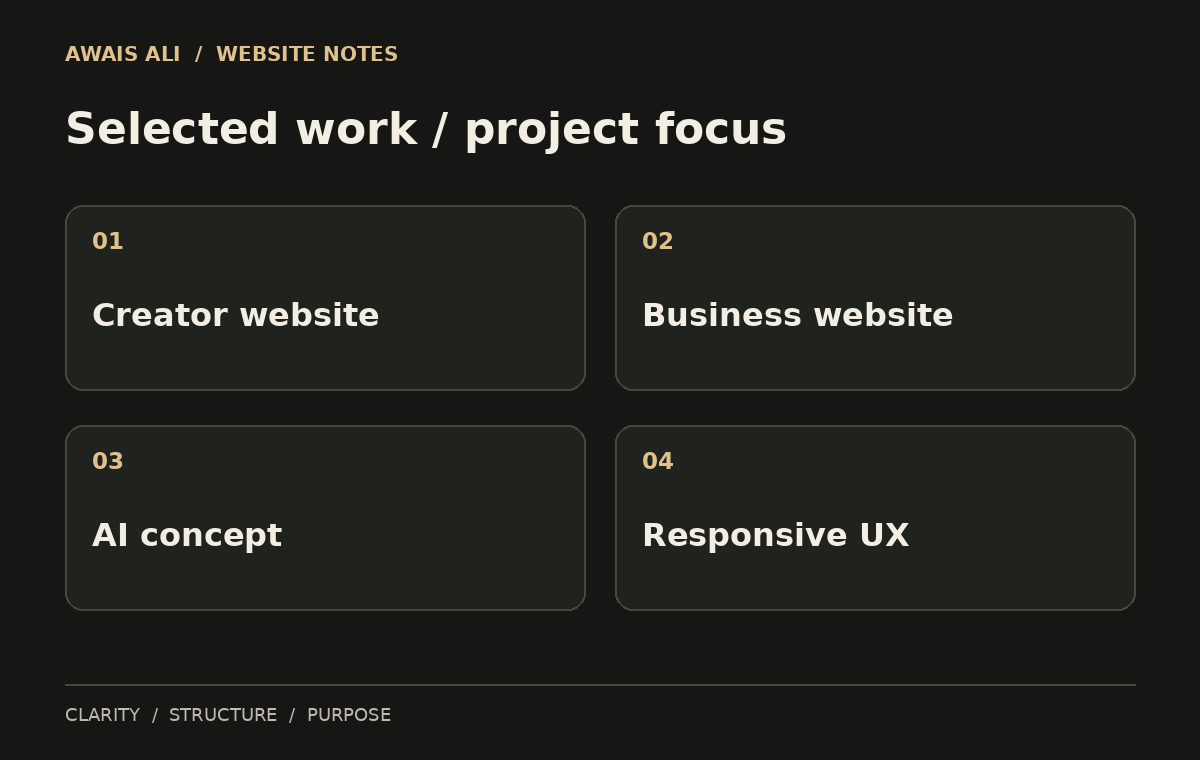
A modern personal-brand website concept built to give a creator a focused place to present content, identity and selected work.
I build with the structure behind the interface in mind — how a visitor moves, how content stays maintainable, and how the site supports the business.
Explore website and AI concepts built around clear information, responsive interfaces and practical business needs. Each example connects its visual direction with the purpose behind the experience.
A modern personal-brand website concept built to give a creator a focused place to present content, identity and selected work.
A responsive business presence built around trust, clear information and conversion-friendly page structure.
An AI-powered assistant concept designed around customer support, faster responses and a controlled workflow.
I start by clarifying the page's purpose, audience and content hierarchy. From there the interface, implementation and optimization choices have a reason to exist.
Explore creator, business and AI concepts through their purpose, structure and implementation. Use these examples to shape a brief for your own audience and goals.


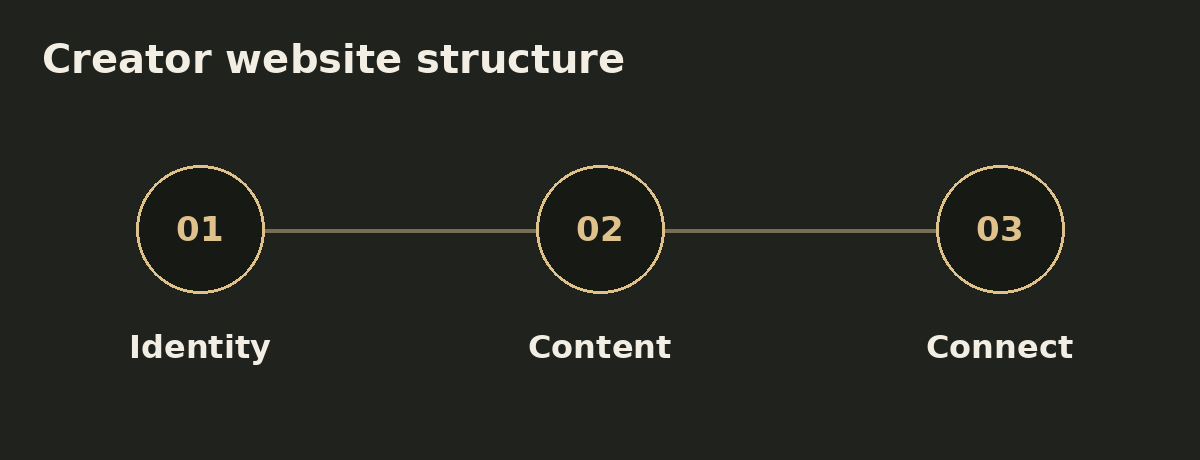
A creator website needs to help visitors understand who the creator is, what they publish and where to find relevant content. The creator example in this selected work explores that introduction through a focused visual identity and a clear information hierarchy. The layout gives content a place to live beyond a social feed. The important design questions are practical: which material belongs on the first screen, how should sections be grouped and what should a new visitor do next? The concept is a presentation example, rather than a claim about audience growth or commercial results.

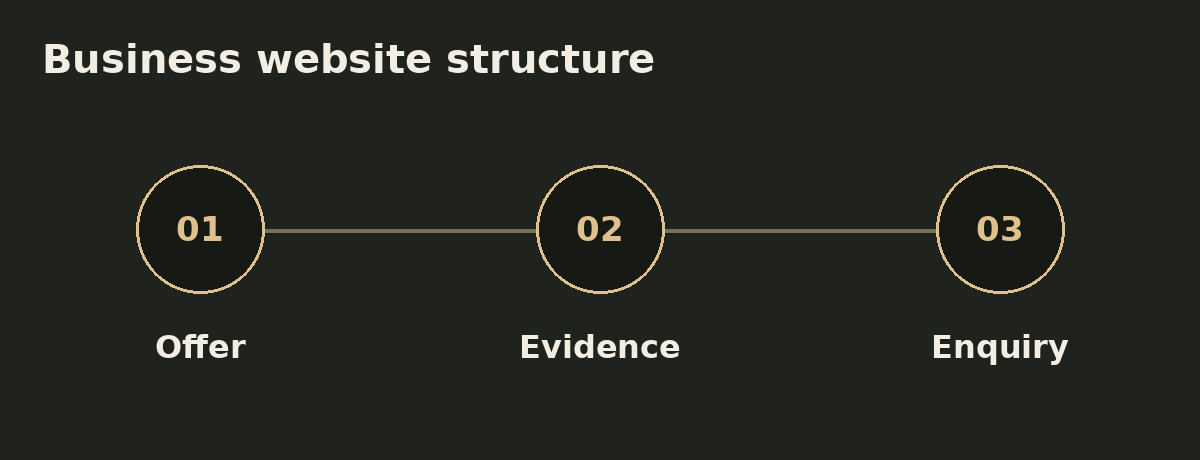
A business website has to explain an offer in language a visitor can quickly understand. The business example focuses on clear sections, responsive behavior and a visible route to an enquiry. Service information, project context and contact choices should work together. In reviewing this selected work, consider whether the page hierarchy would help someone answer their first questions without searching through disconnected blocks. Visual polish supports that clarity. It does not replace the need for accurate copy, useful proof and a specific next action that fits the business.
The chatbot example explores a customer support workflow using Python, Flask and an AI interface. The useful starting point is the task the assistant should handle and the information it can reliably use. A conversational interface also needs clear limits and a way to move an unresolved question to a person. This selected work describes an assistant concept and its direction, not a promise that an automated system can answer every question. Project requirements would determine the actual data sources, workflow, review steps and implementation approach before a live solution is agreed.
A similar visual style does not automatically mean a similar requirement. Start by comparing the audience, page purpose, content volume and actions the visitor needs to take. A focused campaign page can need a different structure from a multi-page company website. If an example is relevant, explain which part interests you and why. That gives the first discussion a useful direction while leaving room to build the right solution for your business, rather than treating a portfolio concept as a fixed package.
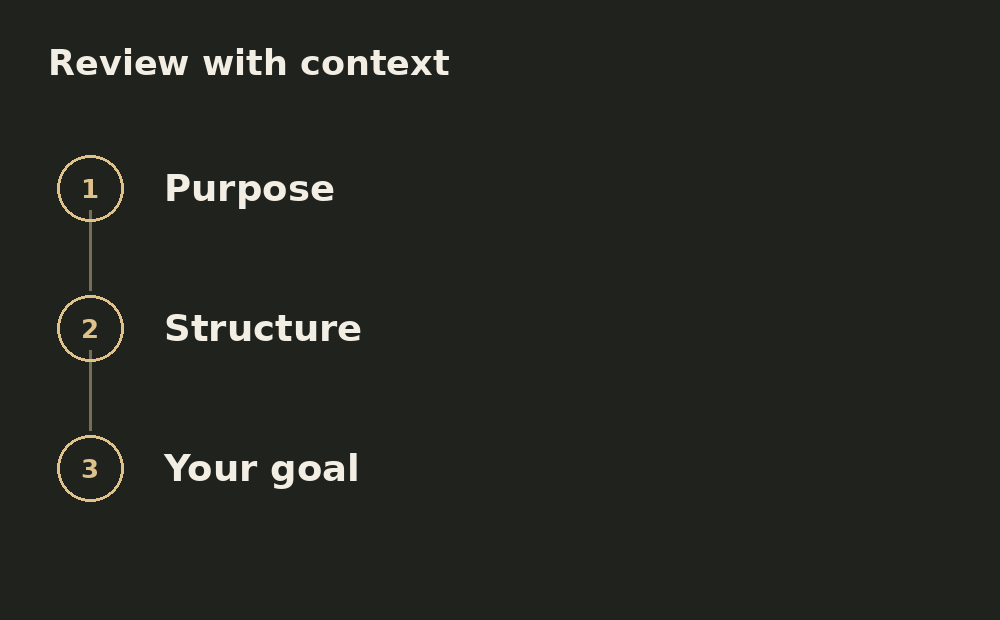
Ask what the page was meant to communicate, how the structure supports that goal and which tools were used for the implementation. For an existing website, bring the URL and describe the friction you see today. For a new build, explain the business, audience and planned content. A useful review of selected work connects the visible design with those requirements. The next step is to agree the actual deliverables, responsibilities and review points for your own project, using confirmed information rather than assumptions about another example.

No. The selected work shows project categories, visual direction and implementation thinking. It does not promise a specific ranking, revenue figure, lead volume or conversion rate. Results depend on the business, content, audience and wider marketing activity.
Yes. Share which example interests you and the part that is useful to your business. The structure, content and features can then be discussed for your own audience and goals.
Your existing URL if available, the intended audience, the pages you expect and the main action you want visitors to take. Links to references help when you explain what you like about them.
Further reading: MDN guide to responsive web design. Explore services, selected work or discuss your website.
Tell me what the business needs the website to accomplish, what already exists, and what feels stuck. The first step is turning that into a clear build direction.
Start a project ↗